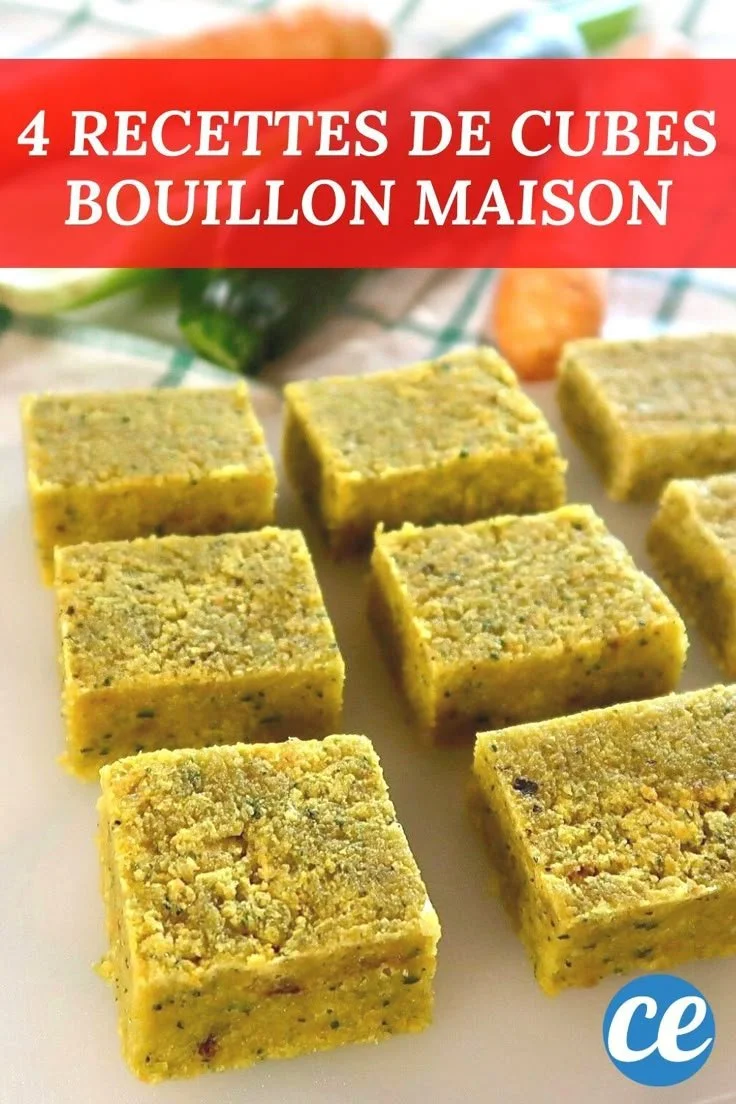
Making homemade broth cubes is a simple and efficient way to elevate your cooking. These cubes of flavorful broth provide a warm base for soups and sauces, allowing you to infuse your meals with rich, comforting flavors without the need for store-bought options. This recipe will help you create your own stock cubes, ensuring that every dish you prepare has that homemade touch.
Why You’ll Love Homemade Broth Cubes
- Flavor-packed Convenience: Homemade broth cubes are packed with the rich, deep flavor that store-bought versions often lack, making your dishes taste home-cooked.
- Easy to Customize: You can control the ingredients, spices, and even dietary needs, making these cubes suitable for everyone in your family.
- Cost-effective: Making your own broth is a great way to utilize leftover bones and vegetable scraps, reducing waste and saving money.
- Quick to Use: Just pop a cube into your pot, and you have instant flavor! No lengthy preparations needed each time you cook.
- Long Shelf Life: Once frozen, these broth cubes can last for months, so you can always have a flavorful base on hand.
Recipe Overview
- Prep time: 15 minutes
- Cook time: 2 hours and 30 minutes
- Total time: 2 hours and 45 minutes
- Servings: Approximately 20 cubes
- Difficulty level: Easy
Ingredients You’ll Need for Homemade Broth Cubes
- Base Ingredients:
- 2 chicken breasts (or a similar amount of beef or vegetable scraps)
- 2 carrots, chopped
- 2 celery stalks, chopped
- 1 onion, chopped
- 4 cloves garlic, minced
- 2 bay leaves
- 10 cups water
- Salt and pepper to taste
Each ingredient plays a crucial role in developing the broth’s flavor. You can easily substitute chicken with beef or omit it entirely for a vegetarian option. Similarly, feel free to add any herbs or spices you prefer to customize the flavor profile.

How to Make Homemade Broth Cubes
- Combine Ingredients: In a large pot, combine the chicken (or your chosen base), chopped carrots, celery, onion, minced garlic, bay leaves, and water.
- Bring to a Boil: Heat the pot over medium-high heat until the mixture begins to boil. Once boiling, reduce the heat to low.
- Simmer and Develop Flavor: Allow the broth to simmer gently for 2-3 hours. This slow cooking will extract all the flavors from the ingredients.
- Strain the Broth: After simmering, remove from heat and strain the broth through a fine sieve or cheesecloth, discarding the solids.
- Freeze the Broth: Pour the strained liquid into ice cube trays and freeze until solid. This may take a few hours.
- Store the Cubes: Once frozen, transfer the cubes to a sealed container or freezer bag and store them in the freezer for later use.
Tips for Success
- Simmering Time: The longer you simmer, the more flavorful your broth will be. However, avoid boiling vigorously as it can make the broth cloudy.
- Adjusting Flavor: Taste your broth before freezing. If it needs more flavor, add a pinch of salt, herbs, or spices as desired.
- Effective Straining: Use a fine mesh strainer or cheesecloth to gather every bit of flavor while ensuring a clear broth.
- Equal Portions: For consistent cooking, try to pour the broth evenly into each cube section of the tray.
Easy Variations
- Vegetable Broth: Replace the chicken with more vegetable scraps for a wholesome vegetarian broth.
- Herb Infusion: Add fresh herbs like thyme, rosemary, or parsley to the pot for an herby twist.
- Spicy Kick: Add a few slices of ginger or a dash of red pepper flakes to include some heat in your broth.
- Mushroom Broth: Use dried mushrooms along with the regular vegetables to enrich the umami flavor.
What to Serve with Homemade Broth Cubes
- Soups: Use broth cubes as a soup base for a variety of options, from classic chicken noodle to hearty vegetable minestrone.
- Risotto: Substitute broth cubes for water when making risotto for added depth of flavor.
- Sauces: Use broth cubes to create rich sauces for your favorite meats or pasta dishes.
- Stews: Broth cubes are perfect for enhancing the flavor of slow-cooked stews.
Storage and Reheating
- Refrigerator Storage: Homemade broth cubes can be kept in the freezer for up to 6 months.
- Freezer Storage: Store them in airtight containers or heavy-duty freezer bags to prevent freezer burn.
- Reheating: Simply drop a cube into your dish while cooking. They can be added directly to pots, pans, or even microwaved for a quick dissolve.
- Texture Preservation: When using broth cubes, try to dissolve them into a hot liquid rather than adding directly to a cold dish to maintain the best flavor.
Common Mistakes to Avoid
- Overcooking: Avoid boiling the broth; simmering will yield a clearer, more flavorful broth.
- Skipping Straining: Not straining can lead to grainy broth, so always take the time to remove solid bits post-simmer.
- Salt Levels: If you’re unsure about salting your broth, add very little initially and adjust after tasting.
- Neglecting Ingredients: Don’t skip on aromatics like onions and garlic; they contribute significantly to flavor.
Homemade Broth Cubes: Background & Cultural Inspiration
Homemade broth has a rich history in various cultures, often regarded as a traditional staple. Many culinary traditions, such as French, Italian, and Asian cuisines, depend on well-made broth to serve as the foundation for their dishes. In essence, crafting these broth cubes pays homage to generations of cooks who made the most of available ingredients, creating something nourishing and warming.
Frequently Asked Questions
Can I use these broth cubes in recipes calling for liquid broth?
Yes, you can replace liquid broth with one cube for every cup required to prepare your recipes.
How long do homemade broth cubes last in the freezer?
Stored correctly in airtight containers, they typically last up to 6 months in the freezer.
Can I customize the flavor of my broth?
Absolutely! Feel free to add different vegetables, herbs, or spices based on your taste preferences.
Is it possible to make broth cubes without meat?
Yes, you can create delicious vegetable broth cubes using only plants and herbs.
Can I make broth cubes with leftover bones?
Definitely! Cooking with leftover bones from roasted meats adds deep flavor to your broth.
Final Thoughts
Homemade broth cubes are an excellent way to enhance your cooking while reducing waste. They’re flavorful, easy to prepare, and can be customized to suit your taste. Whether you’re making soups, sauces, or risottos, these broth cubes will provide a comforting base for countless meals. With a bit of preparation, you can always have the rich flavor of homemade broth at your fingertips. Try this recipe and enjoy the satisfaction of creating your own flavor-packed ingredients!
PrintHomemade Broth Cubes
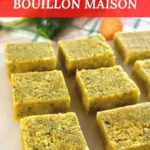
Create flavorful homemade broth cubes for soups and sauces, elevating your cooking with a rich base.
- Prep Time: 15 minutes
- Cook Time: 150 minutes
- Total Time: 165 minutes
- Yield: Approximately 20 cubes
- Category: Condiment
- Method: Freezing
- Cuisine: Global
- Diet: Vegetarian
Ingredients
- 2 chicken breasts (or a similar amount of beef or vegetable scraps)
- 2 carrots, chopped
- 2 celery stalks, chopped
- 1 onion, chopped
- 4 cloves garlic, minced
- 2 bay leaves
- 10 cups water
- Salt and pepper to taste
Instructions
- Combine Ingredients: In a large pot, combine the chicken (or your chosen base), chopped carrots, celery, onion, minced garlic, bay leaves, and water.
- Bring to a Boil: Heat the pot over medium-high heat until the mixture begins to boil. Once boiling, reduce the heat to low.
- Simmer and Develop Flavor: Allow the broth to simmer gently for 150 minutes. This slow cooking will extract all the flavors from the ingredients.
- Strain the Broth: After simmering, remove from heat and strain the broth through a fine sieve or cheesecloth, discarding the solids.
- Freeze the Broth: Pour the strained liquid into ice cube trays and freeze until solid. This may take a few hours.
- Store the Cubes: Once frozen, transfer the cubes to a sealed container or freezer bag and store them in the freezer for later use.
Notes
For vegetarian options, use vegetable scraps instead of chicken. Customize the flavor with herbs and spices.